A Harm Reduction Approach
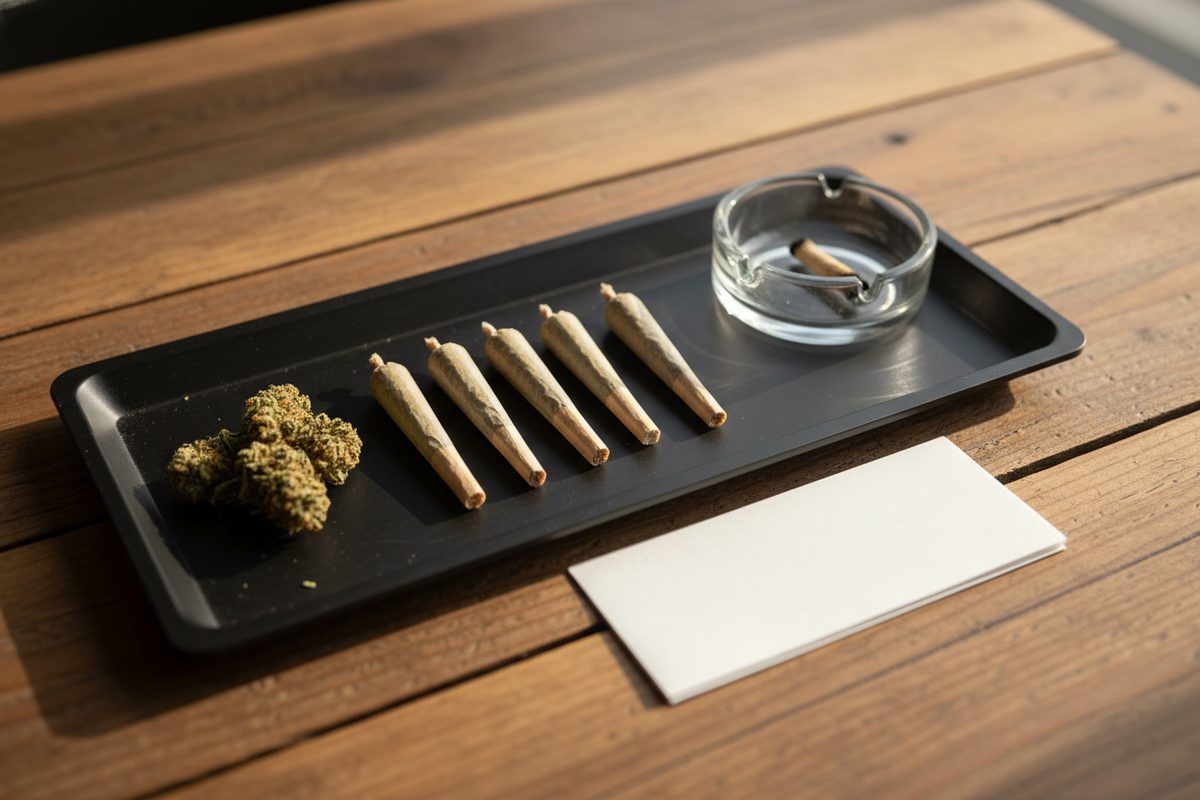
TryCannabis.org is primarily a medicinal cannabis resource, but we recognize that millions of adults use cannabis recreationally — and pretending otherwise helps no one. Whether you use cannabis to unwind on a Friday evening, enhance a concert, or simply because you enjoy it, you deserve honest, non-judgmental guidance on how to do it safely.
Cannabis is safer than many recreational substances. But "safer" does not mean "no risk." The difference between a positive experience and a problematic pattern comes down to one thing: informed, intentional use.
Start Low, Go Slow
This is the single most important piece of advice on this page, and it applies just as much to recreational use as it does to medicinal use. The most common source of a bad cannabis experience is simply taking too much.
- If you are new to cannabis, start with 2.5 mg of THC or less. You can always take more next time — you cannot un-take what you have already consumed.
- If you are returning after a break, your tolerance has dropped. Do not resume at your previous dose. Treat yourself as a near-beginner.
- If you are trying a new product or method, start conservatively even if you are experienced. A 10 mg edible and a 10 mg tincture can feel very different.
For a deeper look at dosing principles, visit our Dosing Fundamentals page.
Know Your Tolerance
Tolerance to cannabis develops with regular use and fades with abstinence. Understanding where you are on that spectrum is critical for having a good experience.
Beginners
If you have never used cannabis or have used it fewer than a handful of times, you are working with zero tolerance. Effects will be more pronounced, onset may feel more intense, and your subjective experience will be less predictable. Start with the lowest dose available, use in a comfortable setting, and have an experienced friend present if possible.
Experienced Users
Regular users develop tolerance to many of THC's effects, including euphoria, sedation, and anxiety. This can lead to gradual dose escalation — needing more to feel the same effect. If you find yourself significantly increasing your dose over time, consider taking a tolerance break (even 48 to 72 hours can make a noticeable difference, and 2 to 4 weeks can substantially reset tolerance).
Re-Entry After a Break
One of the most common mistakes is returning to your old dose after a break. Even a one-week pause can significantly reduce tolerance. After a multi-week or multi-month break, your tolerance may be essentially back to baseline. Start at a fraction of your previous dose — typically one-quarter to one-half — and work back up.
Set and Setting Matter
"Set and setting" is a concept borrowed from psychedelic research that applies perfectly to cannabis. Set refers to your mindset going in — your mood, expectations, and emotional state. Setting refers to your physical and social environment.
- Choose a safe, comfortable environment — especially if you are new to cannabis or trying a new product. Your home, a trusted friend's place, or a familiar outdoor space are all good options.
- Be with trusted company — or alone, if that is what you prefer. The key is to avoid situations where you might feel socially pressured, judged, or unsafe.
- Clear your obligations — do not use cannabis when you need to drive, work, care for children, or handle anything that requires your full attention. Give yourself permission to simply enjoy the experience.
- Check your mood — cannabis can amplify your existing emotional state. If you are anxious, stressed, or in a bad headspace, cannabis may make those feelings worse rather than better, particularly at higher doses.
Choose Your Method Wisely
The way you consume cannabis dramatically affects the experience — particularly timing, intensity, and duration.
Inhalation (Smoking or Vaporizing)
Effects begin within 1 to 5 minutes and last 1 to 3 hours. This fast feedback loop makes it easier to gauge your dose in real time. Take one puff, wait 10 to 15 minutes, assess how you feel, and decide if you want more. This method gives you the most control over your experience.
Edibles: The #1 Source of Overconsumption
Edibles are the most common cause of unpleasant cannabis experiences among recreational users, and the reason is simple: delayed onset. Effects can take 30 minutes to 2 hours to appear — sometimes longer on a full stomach. The classic mistake is eating a gummy, feeling nothing after 45 minutes, eating another one, and then having both hit at once.
Tinctures and Beverages
Sublingual tinctures (held under the tongue for 60 seconds before swallowing) offer a middle ground: onset in 15 to 30 minutes with good dose control. Cannabis-infused beverages vary widely — some use nano-emulsified THC for faster onset (15 to 30 minutes), while others behave more like traditional edibles.
For a complete breakdown, visit our Methods of Consumption page.
Do Not Mix Cannabis with Alcohol
This is one of the most important harm reduction messages on this page. Combining cannabis and alcohol is a recipe for a miserable experience, and the science supports this clearly:
- Alcohol increases THC absorption. Studies show that drinking alcohol before consuming cannabis significantly raises blood THC levels. This means you will get much higher than you expected.
- The combination dramatically increases impairment. Reaction time, coordination, judgment, and spatial awareness are all more severely affected than by either substance alone.
- Nausea and "the spins." The combination frequently causes nausea, vomiting, dizziness, and the unpleasant sensation of the room spinning. This is sometimes called "greening out."
- Risk-taking increases. Both substances lower inhibitions. Together, they compound this effect, increasing the likelihood of poor decisions.
If you choose to use both in the same evening, use far less of each than you normally would of either alone, and be aware that the effects will be unpredictable.
Never Drive Impaired
This should go without saying, but it bears repeating: do not drive after using cannabis. THC impairs reaction time, spatial awareness, divided attention, and decision-making — all critical driving skills.
- Plan ahead. Arrange a rideshare, designate a sober driver, or plan to stay where you are.
- Do not assume you are "fine to drive." Cannabis impairment can feel subtle, and people consistently overestimate their ability to drive while high.
- Understand the legal risk. DUI laws apply to cannabis in every state. Penalties include fines, license suspension, and jail time — and a cannabis DUI carries the same legal weight as an alcohol DUI.
- Wait times vary. Impairment from inhalation typically lasts 3 to 4 hours. Edibles can impair driving for 6 to 8 hours or more. When in doubt, do not drive.
For more on this topic, see our Driving & Cannabis Safety page.
Frequency Awareness
There is a meaningful difference between using cannabis occasionally and using it daily. Research from the 2025 JAMA review found that approximately 29% of regular cannabis users met criteria for cannabis use disorder (CUD). Daily use is the single strongest predictor of developing CUD.
This does not mean daily use is automatically problematic, but it does mean it warrants honest self-reflection:
- Consider scheduled use days rather than defaulting to daily consumption. Using cannabis three or four days per week instead of seven reduces tolerance buildup, maintains the enjoyment of the experience, and lowers the risk of dependence.
- Take periodic breaks. Even short breaks (a weekend, a week) help you assess your relationship with cannabis. If taking a break feels genuinely difficult, that is worth paying attention to.
- Notice dose escalation. If you are consistently needing more to achieve the same effect, your tolerance is building. This is a signal to take a break, not to increase your dose.
Social Responsibility
Responsible recreational use is not just about protecting yourself — it is also about protecting the people around you.
Keep Cannabis Away from Children and Pets
This is non-negotiable. Cannabis edibles often look identical to regular candy, gummies, brownies, and cookies. Children and pets cannot tell the difference, and THC ingestion can cause serious medical emergencies in both.
- Store all cannabis products in childproof containers — not the bag they came in from the dispensary.
- Keep products in a locked cabinet or high shelf that is completely out of reach.
- Never leave edibles out on tables, counters, or anywhere accessible.
- Be especially cautious with house guests who bring children.
Respect Others
- Never pressure anyone to use cannabis. "No thanks" is a complete sentence.
- Respect non-users. Not everyone is comfortable around cannabis use, and their boundaries deserve respect.
- Respect no-smoking spaces. Cannabis smoke affects others, including children, people with respiratory conditions, and people who simply do not want to inhale secondhand smoke. Use edibles or step away if you are in shared spaces.
- Be mindful about use around pregnant individuals. Secondhand cannabis smoke should be avoided around pregnant women, just like tobacco smoke.
Storage Best Practices
- Childproof containers — always. This is the most important storage rule.
- Cool, dark, and dry. Heat, light, and moisture degrade cannabinoids and can promote mold growth. A cupboard or drawer away from heat sources is ideal.
- Label everything clearly. If you transfer products from their original packaging, label the new container with the product name, THC/CBD content per serving, and date. This prevents accidental overconsumption.
- Keep flower in airtight glass jars to preserve freshness and potency. Mason jars work well.
- Separate from regular food. Edibles should be stored in a clearly marked, separate location from regular snacks — not mixed in with your pantry items.
When Recreational Use Becomes Problematic
Most people who use cannabis recreationally do so without developing problems. But for a meaningful minority, recreational use can gradually shift into something more concerning. Here are signs worth paying attention to:
- You need cannabis to relax. If you cannot unwind, de-stress, or enjoy downtime without cannabis, your relationship with it may be shifting from recreational to dependent.
- Your tolerance is climbing steadily. Needing significantly more to feel the same effects suggests your body is adapting, which is a hallmark of developing dependence.
- You are using alone more often. Cannabis is often a social experience. If your use has become predominantly solitary — especially if you are using it to avoid feelings or social interaction — that is a flag.
- You are skipping activities you used to enjoy. Choosing to stay home and use cannabis instead of seeing friends, exercising, pursuing hobbies, or meeting obligations is a warning sign.
- You feel irritable, anxious, or restless without it. These are hallmarks of withdrawal and suggest your body has become physically dependent.
- You have tried to cut back and found it difficult. Unsuccessful attempts to reduce use are one of the diagnostic criteria for cannabis use disorder.
Recognizing these patterns early gives you the best chance of correcting course. If several of these resonate, consider speaking with a healthcare provider or reading our Cannabis Use Disorder page. Our companion site CannabisDependence.org also provides judgment-free resources for anyone wanting to quit or cut back, including self-assessment tools and recovery support.
The Overconsumption Protocol
If you or a friend takes too much cannabis, it can feel genuinely frightening — racing heart, intense anxiety, paranoia, nausea, disorientation, and a sensation that it will never end. Here is the good news: no one has ever died from a cannabis overdose. It will pass. Here is what to do in the meantime:
- Remind yourself (or your friend) that it will pass. This is the most important step. The anxiety is temporary. The discomfort is temporary. No one has ever died from too much cannabis. Say it out loud: "This is uncomfortable, but I am safe, and it will pass."
- Move to a safe, calm space. Reduce stimulation. Dim the lights, turn off loud music or TV, find a quiet room. Sit or lie down in a comfortable position.
- Breathe slowly and deliberately. Inhale for 4 counts, hold for 4 counts, exhale for 4 counts. Box breathing activates the parasympathetic nervous system and counteracts the panic response.
- Hydrate. Drink water or a non-caffeinated beverage. Avoid alcohol (it will make things worse). Some people find cold water or juice particularly grounding.
- Try black pepper. This sounds unusual, but there is science behind it: beta-caryophyllene, a terpene found in black pepper, interacts with the same CB2 receptors as cannabinoids and may help reduce THC-induced anxiety. Chew 2 to 3 black peppercorns or simply sniff ground black pepper.
- Take CBD if available. CBD modulates THC's effects and may help reduce anxiety and psychoactive intensity. A dose of 25 to 50 mg of CBD, if you have it on hand, may take the edge off.
- Eat something. A light snack can help, particularly something with sugar or fat. Some people find that eating grounds the experience.
- Do not fight it. Trying to resist the feeling often increases anxiety. Accept that you are going to feel uncomfortable for a while, and focus on riding it out rather than trying to make it stop immediately.
- Sleep if you can. Time is the ultimate remedy, and sleeping through the peak is the easiest path.
The Bottom Line
Cannabis can be a genuinely enjoyable part of an adult life when used with intention and awareness. The goal of harm reduction is not to moralize about recreational use — it is to give you the information you need to make choices that keep cannabis a positive experience rather than a source of regret, dependence, or harm to others.
The people who have the best relationship with recreational cannabis tend to share a few things in common: they know their dose, they respect the substance, they plan their use rather than defaulting to it, and they are honest with themselves about how it is affecting their life.
Cannabis is safer than many recreational substances, but "safer" does not mean "no risk." Approximately 29% of regular cannabis users in a comprehensive 2025 review met criteria for cannabis use disorder, and daily use is the strongest predictor of developing problematic patterns.
Hsu et al., JAMA / UCLA Health, 2025
Further Reading
Related Pages on TryCannabis.org
- Dosing Fundamentals — the "start low, go slow" approach in detail
- Methods of Consumption — complete guide to inhalation, edibles, tinctures, and more
- Driving & Cannabis Safety — impairment, legal consequences, and planning ahead
- Cannabis Use Disorder — understanding the risks of dependence
- Cannabis vs. Alcohol — a comparative harm analysis
- Cannabinoids & Terpenes — understanding what makes different products feel different