
Does cannabis reduce inflammation?
CBD and THC both interact with the endocannabinoid system to modulate inflammatory responses. Preclinical evidence is strong, and observational studies in humans are encouraging, but large-scale clinical trials are still limited. CBD appears to have anti-inflammatory effects without the psychoactive effects of THC.
Moderate EvidenceOverview: Inflammation and Inflammatory Conditions
Inflammation is the body's natural response to injury, infection, or irritation. In the short term, it is essential for healing — when you twist an ankle and it swells, that is your immune system doing its job. The problem arises when inflammation becomes chronic — persisting for weeks, months, or years, often without a clear trigger.
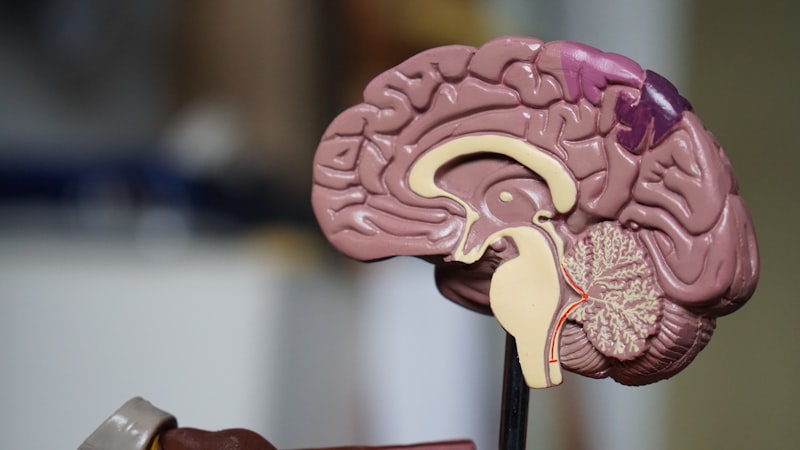
Chronic inflammation is now recognized as a driving factor behind many of the most common and debilitating health conditions, including:
- Rheumatoid arthritis — an autoimmune condition where the immune system attacks the joints
- Osteoarthritis — degenerative joint inflammation, the most common form of arthritis
- Inflammatory bowel disease (IBD) — including Crohn's disease and ulcerative colitis
- Multiple sclerosis — an autoimmune condition affecting the central nervous system
- Psoriasis and eczema — inflammatory skin conditions
- Cardiovascular disease — chronic inflammation plays a role in atherosclerosis and heart disease
Conventional treatments for inflammatory conditions include:
- NSAIDs (ibuprofen, naproxen) — effective for mild to moderate inflammation but carry risks of gastrointestinal bleeding, kidney damage, and cardiovascular events with long-term use
- Corticosteroids (prednisone, methylprednisolone) — powerful anti-inflammatories but associated with significant side effects including weight gain, bone loss, immune suppression, and metabolic disruption when used long-term
- Disease-modifying antirheumatic drugs (DMARDs) — methotrexate and similar drugs that suppress the immune system to slow autoimmune diseases
- Biologic therapies — targeted immune-modulating drugs (adalimumab, infliximab) that are highly effective for some patients but expensive and carry infection risks
The side effect profiles of long-term anti-inflammatory medications are a significant concern for many patients, which is one reason interest in cannabis as an anti-inflammatory option continues to grow.
What the Research Says
Both THC and CBD have demonstrated anti-inflammatory properties in scientific research, and the biological mechanisms through which they act are increasingly well understood. However, there is an important distinction that must be stated clearly: most of the evidence for cannabis as an anti-inflammatory comes from preclinical research — laboratory studies using cell cultures and animal models, not large-scale human clinical trials.
THC and Inflammation
THC interacts primarily with CB1 receptors in the brain and nervous system, but it also engages CB2 receptors, which are concentrated in immune cells and tissues throughout the body. Through these interactions, THC has been shown in preclinical studies to:
- Reduce the production of pro-inflammatory cytokines (signaling molecules that promote inflammation)
- Suppress immune cell activation in several inflammatory pathways
- Reduce inflammation-related pain signaling
In the context of chronic pain with an inflammatory component, THC's dual action — reducing both inflammation and pain perception — may explain why many chronic pain patients report benefit from cannabis. For more detail, see our Chronic Pain page.
CBD and Inflammation
CBD has attracted particular interest as an anti-inflammatory because it does not produce the psychoactive effects of THC. CBD does not bind directly to CB1 or CB2 receptors in the way THC does, but instead works through multiple indirect mechanisms:
- Modulating the endocannabinoid system by inhibiting the breakdown of anandamide (a naturally occurring endocannabinoid with anti-inflammatory properties)
- Activating TRPV1 receptors, which play a role in pain and inflammation signaling
- Interacting with adenosine receptors, which are involved in inflammatory and immune responses
- Reducing oxidative stress, which contributes to chronic inflammation
Preclinical studies have shown CBD to reduce inflammation in models of arthritis, inflammatory bowel disease, and neuroinflammation. However, the 2025 OHSU review found that CBD-only products showed minimal benefit for pain in human studies, which suggests that the jump from preclinical promise to clinical effectiveness is not straightforward.
Products mainly containing CBD showed almost no pain benefit in human clinical studies, despite promising preclinical anti-inflammatory data.
OHSU (2025), Annals of Internal Medicine — Living review of cannabis for pain
Beta-Caryophyllene: A Terpene That Acts Like a Cannabinoid
One of the most intriguing findings in cannabis anti-inflammatory research involves beta-caryophyllene — a terpene found in cannabis, black pepper, cloves, and rosemary. Beta-caryophyllene is unique among terpenes because it directly binds to CB2 receptors in the immune system, essentially functioning as a dietary cannabinoid.
This is significant because CB2 receptors are heavily involved in immune regulation and inflammatory responses. By activating CB2 receptors, beta-caryophyllene may help modulate inflammation without producing any psychoactive effects (CB2 activation does not cause a "high").
Preclinical research on beta-caryophyllene has shown:
- Reduction of inflammatory markers in animal models of arthritis
- Protective effects against inflammation-related tissue damage
- Anti-inflammatory activity in models of colitis (intestinal inflammation)
Beta-caryophyllene is also found in the FDA's list of Generally Recognized as Safe (GRAS) food additives, which means it has a well-established safety profile as a dietary compound. Cannabis products with high beta-caryophyllene content may be of particular interest for people seeking anti-inflammatory benefits. Learn more on our Cannabinoids & Terpenes page.
The Entourage Effect and Inflammation
The entourage effect theory suggests that cannabis compounds work synergistically — that the combined action of multiple cannabinoids and terpenes produces effects greater than any single compound alone. For inflammation, this may be particularly relevant:
- THC addresses inflammation through CB1 and CB2 receptor pathways
- CBD works through complementary indirect mechanisms
- Beta-caryophyllene activates CB2 receptors directly
- Other terpenes like alpha-pinene and myrcene have shown anti-inflammatory properties in preclinical models
This is why many researchers and clinicians suggest that full-spectrum cannabis products (containing the complete range of cannabinoids and terpenes) may be more effective for inflammation than isolated compounds. However, this remains a hypothesis supported by preclinical evidence rather than established clinical fact.
Specific Conditions: What We Know
Arthritis
Arthritis is one of the most commonly cited reasons people use cannabis for inflammation. Patient surveys consistently report improvement in pain, stiffness, and physical function. However, large-scale clinical trials specifically studying cannabis for arthritis are limited. A growing body of preclinical evidence supports the rationale, particularly for CBD and beta-caryophyllene acting through CB2 receptors in joint tissue.
Autoimmune Conditions
Autoimmune diseases involve the immune system attacking the body's own tissues, creating chronic inflammation. The endocannabinoid system's role in immune regulation makes it a theoretically attractive target. Both THC and CBD have shown immunomodulatory effects in preclinical research. However, because autoimmune conditions often require immunosuppressive medications, the potential for drug interactions is a serious concern. If you are taking immunosuppressant drugs, cannabis use must be discussed with your prescribing physician. See our Drug Interactions page for more information.
Inflammatory Bowel Disease
IBD (Crohn's disease and ulcerative colitis) involves chronic inflammation of the gastrointestinal tract. CB2 receptors are abundant in the gut, and preclinical research has shown anti-inflammatory effects of both THC and CBD in intestinal models. Some small clinical studies have shown symptom improvement in IBD patients using cannabis, though the evidence is not yet strong enough for clinical guidelines to recommend it.
How People Use Cannabis for Inflammation
The following reflects commonly reported patterns from patient surveys and community reports. These are anecdotal observations, not clinical recommendations.
- Topical application — cannabis-infused topicals (creams, balms, salves) are widely used for localized inflammation in joints, muscles, and skin. Topicals deliver cannabinoids directly to the affected area without producing systemic psychoactive effects, making them a popular starting point for people new to cannabis.
- Oral consumption — edibles, tinctures, and capsules are used for systemic (whole-body) inflammatory conditions. These methods deliver cannabinoids throughout the body rather than just to one area.
- Combination approach — many people with conditions like arthritis report using both topicals for acute flare-ups and oral products for ongoing systemic management.
- Full-spectrum preference — patient communities frequently report better results with full-spectrum products compared to CBD isolates for inflammatory conditions, consistent with the entourage effect theory.
Recommended Starting Points
Cannabinoid Profiles to Consider
- Full-spectrum products — products containing a range of cannabinoids (THC, CBD, CBC, CBG) and terpenes may offer the broadest anti-inflammatory potential through the entourage effect.
- Balanced THC:CBD (1:1) — provides both THC and CBD anti-inflammatory pathways with moderate psychoactive effects. Start with 2.5 mg each of THC and CBD.
- CBD-dominant (high CBD, low THC) — for those wanting to minimize psychoactive effects. Note that CBD alone has shown limited benefit for pain in human studies, though anti-inflammatory effects may differ from pain outcomes.
- CBD topicals — for localized inflammation. Apply to clean skin over the affected area. No psychoactive effects.
Terpenes to Look For
- Beta-caryophyllene — directly activates CB2 receptors in the immune system; the strongest terpene candidate for anti-inflammatory effects
- Alpha-pinene — preliminary evidence suggests anti-inflammatory properties
- Myrcene — preclinical research suggests anti-inflammatory and analgesic effects
Methods of Consumption
- Topicals — best for localized joint or muscle inflammation. Apply generously and allow time to absorb. Effects are typically felt within 15 to 45 minutes. No psychoactive effects. Can be used alongside oral products.
- Tinctures — good for systemic inflammation with precise dose control. Hold under the tongue for 60 to 90 seconds. Start with 2.5 mg THC or 10 to 25 mg CBD.
- Edibles or capsules — longest duration of effect (6 to 8 hours), suitable for sustained inflammatory conditions. Start with 2.5 mg THC. Wait at least 2 hours before considering an additional dose.
For more detail on each method, visit our Methods of Consumption and Dosing Fundamentals pages.
Risks & Considerations
- Preclinical vs. clinical evidence — the most important caveat. Anti-inflammatory effects demonstrated in cell cultures and animal models do not automatically translate to the same effects in humans. Promising preclinical results are a reason for optimism and further study, not proof of clinical effectiveness.
- Drug interactions — this is a particularly serious concern for inflammatory conditions. Cannabis compounds can interact with immunosuppressants (tacrolimus, sirolimus, everolimus), corticosteroids, NSAIDs, and DMARDs. A study involving transplant patients found that 46% suffered adverse events related to medication toxicity when combining immunosuppressants with cannabinoids. Always discuss with your prescribing physician.
- Immune suppression concerns — while reducing inflammation is the goal, excessive immune suppression can increase susceptibility to infections. The immune-modulating effects of cannabis at therapeutic doses are not fully characterized in humans.
- Cardiovascular inflammation paradox — while cannabis shows anti-inflammatory properties, the 2025 JAMA review noted that daily cannabis use may be associated with elevated cardiovascular risks. This is particularly relevant for people whose inflammatory condition also involves cardiovascular components.
- Not a replacement for proven treatments — for serious autoimmune and inflammatory conditions, conventional treatments like DMARDs and biologics have strong evidence bases. Cannabis should be considered as a potential complement, not a replacement, for these treatments.
Talk to Your Doctor
A conversation with your healthcare provider is essential before using cannabis for any inflammatory condition — especially if you:
- Take immunosuppressive medications
- Have an autoimmune condition managed by a specialist
- Take blood thinners (cannabis can increase their effect)
- Use NSAIDs or corticosteroids regularly
- Have cardiovascular disease or risk factors
Conversation starters:
- "I have been reading about the anti-inflammatory properties of cannabis and I am interested in whether it could complement my current treatment plan."
- "I am concerned about the long-term side effects of [current medication]. Can we discuss whether cannabis might allow me to reduce my dose under your supervision?"
- "I would like to try a cannabis topical for my joint inflammation. Are there any concerns with my current medications?"
The Society of Cannabis Clinicians maintains a directory of healthcare providers knowledgeable about cannabis medicine, and Leaf411 offers free consultations with cannabis-trained registered nurses.
Further Reading
- UCLA Health/JAMA (2025) — Comprehensive review of cannabis evidence
- OHSU (2025) — Cannabis products for pain review
- Santiago et al. (2020), Frontiers in Pharmacology — Terpenes and cannabinoid receptors
- MDPI Pharmaceuticals (2024) — Comprehensive review of entourage effect
- TryCannabis.org — Cannabinoids & Terpenes
- TryCannabis.org — Drug Interactions
- TryCannabis.org — Cannabis for Chronic Pain