
Your Body Already Speaks Cannabis
If you are new to cannabis, the single most important thing to understand is this: your body already has a biological system designed to interact with cannabis-like compounds. It is called the endocannabinoid system (ECS), and every human being has one — whether they have ever touched cannabis or not.
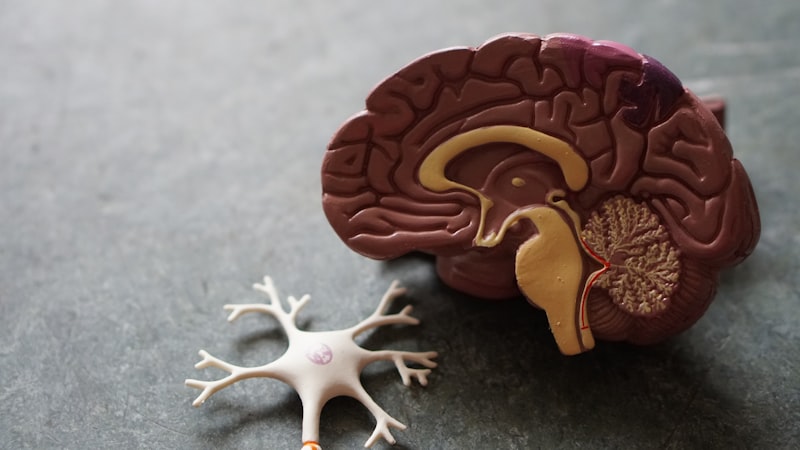
The ECS was discovered in the late 1980s by researchers studying THC, the primary psychoactive compound in cannabis. What they found surprised the scientific community: the human body produces its own cannabis-like molecules and has receptors specifically designed to receive them. The system was named after the plant that led to its discovery — endo meaning "within" and cannabinoid referring to the class of compounds that interact with it.
The endocannabinoid system is critical for almost every aspect of our moment-to-moment functioning. It regulates and controls many of our most critical bodily functions such as learning and memory, emotional processing, sleep, temperature control, pain control, inflammatory and immune responses, and eating.
Harvard Health, 2021
The cannabinoid receptors in the brain outnumber many other receptor types, which gives you a sense of just how important this system is. It is not a minor biological footnote — it is one of the most widespread and significant signaling systems in the human body.
The Three Building Blocks of the ECS
The endocannabinoid system is built from three core components that work together like a finely tuned communication network. Understanding each one will help you make sense of how cannabis works in your body.
1. Endocannabinoids: Your Body's Own Cannabis
Endocannabinoids are molecules your body produces naturally. Think of them as chemical messengers that carry instructions between cells. The two best-studied endocannabinoids are:
Anandamide — named after the Sanskrit word ananda, meaning "bliss." Anandamide is the molecule responsible for the calm, euphoric feeling sometimes called a "runner's high." For years, scientists attributed that post-exercise glow to endorphins, but research has shown that anandamide — which is small enough to cross the blood-brain barrier, unlike endorphins — plays a major role.
Anandamide binds primarily to CB1 receptors in the brain and nervous system. It is involved in regulating mood, appetite, pain perception, and memory. Your body produces it on demand when it is needed, then an enzyme called FAAH (fatty acid amide hydrolase) breaks it down quickly once its job is done.
2-AG (2-arachidonoylglycerol) — the most abundant endocannabinoid in the body. 2-AG is found at significantly higher concentrations than anandamide and acts on both CB1 and CB2 receptors. It plays a central role in immune function, pain modulation, and emotional regulation. Like anandamide, 2-AG is produced on demand and then broken down quickly — in this case by an enzyme called MAGL (monoacylglycerol lipase).
2. Cannabinoid Receptors: The Locks on Your Cells
If endocannabinoids are the keys, cannabinoid receptors are the locks. These protein molecules sit on the surface of cells throughout your body, waiting for endocannabinoids (or plant cannabinoids) to bind with them. When a cannabinoid connects to a receptor, it triggers a specific response inside the cell.
There are two primary types of cannabinoid receptors:
| Feature | CB1 Receptors | CB2 Receptors |
|---|---|---|
| Primary location | Brain and central nervous system | Immune tissues, peripheral organs, and the gastrointestinal system |
| Concentration | Among the most abundant receptors in the brain | Widely distributed in the immune system; also found in bone, liver, and cardiovascular tissues |
| Key functions | Pain perception, mood, memory, appetite, motor control, sleep | Immune response, inflammation, intestinal inflammation, bone density |
| THC interaction | THC binds directly to CB1 receptors — this is what produces the psychoactive "high" | THC has some affinity for CB2 receptors, contributing to anti-inflammatory effects |
| CBD interaction | CBD does not bind directly to CB1 but influences it indirectly | CBD modulates CB2 activity indirectly and through other receptor pathways |
CB1 receptors are concentrated in the brain and central nervous system. They are densely packed in regions responsible for memory (hippocampus), emotion (amygdala), motor coordination (basal ganglia and cerebellum), and pain processing. When THC binds to CB1 receptors, it produces its characteristic effects: altered mood, pain relief, appetite stimulation, and the psychoactive "high."
CB2 receptors are found primarily in immune tissues and play a critical role in controlling immune function and inflammation. They are especially concentrated in the spleen, tonsils, and white blood cells. CB2 receptors are also found in the gastrointestinal system, where they help regulate intestinal inflammation — which may help explain why some people with conditions like irritable bowel syndrome report benefit from cannabis.
Scientists have also identified additional receptor pathways that cannabinoids interact with, including TRPV1 (involved in pain and temperature sensation), GPR55 (sometimes called the "third cannabinoid receptor"), and serotonin receptors (which may explain some of CBD's anti-anxiety effects). The picture is more complex than just two receptor types, but CB1 and CB2 are the foundation.
3. Enzymes: The Cleanup Crew
Enzymes break down endocannabinoids after they have done their work. This is essential — without cleanup, the ECS would overcorrect and become unbalanced.
The two main enzymes are:
- FAAH (fatty acid amide hydrolase) — breaks down anandamide
- MAGL (monoacylglycerol lipase) — breaks down 2-AG
This rapid breakdown is why your body's natural endocannabinoid effects are brief and precisely targeted. Anandamide, for example, produces a quick wave of calm or pain relief, then FAAH degrades it within minutes. Compare this to THC from cannabis, which mimics anandamide but is not broken down as quickly by FAAH — which is why the effects of cannabis last much longer than natural endocannabinoid surges.
The ECS in Action: Homeostasis
The primary role of the endocannabinoid system is maintaining homeostasis — the stability of your internal environment. Your body functions best within a narrow range of conditions: the right temperature, the right blood sugar, the right level of inflammation, the right balance of neurotransmitters. When something throws you off balance — an injury, a fever, chronic stress, a poor night's sleep — the ECS kicks in to help restore equilibrium.
Think of the ECS as a dimmer switch rather than an on/off switch. It does not just turn systems on or off. It turns them up or down as needed, making fine adjustments to keep everything running smoothly:
- Inflammation too high? The ECS works to bring it down.
- Neurotransmitter activity too intense? Endocannabinoids tell neurons to ease up.
- Pain signals flooding the system? The ECS modulates them.
- Stress hormones out of control? The ECS helps restore balance.
This is why the ECS touches so many different aspects of health. It is not a system that does one thing — it is a master regulatory system that helps keep everything else in balance.
The ECS is involved in regulating a variety of physiological and cognitive processes including fertility, pregnancy, pre- and postnatal development, appetite, pain-sensation, mood, and memory, and in mediating the pharmacological effects of cannabis.
Lu & Mackie, Biological Psychiatry, 2021
How Plant Cannabinoids Interact With Your ECS
When you consume cannabis, the plant's cannabinoids (called phytocannabinoids — "phyto" meaning plant) interact with the same ECS that your own endocannabinoids use. But they interact with it in different ways depending on the compound.
THC: The Direct Mimic
THC is structurally similar enough to anandamide that it can bind directly to CB1 receptors in the brain, much like a spare key fitting into a lock. This direct binding is what produces THC's characteristic effects: pain relief, euphoria, altered perception of time, appetite stimulation, and relaxation.
The critical difference between THC and anandamide is duration. Your body breaks down anandamide within minutes via the FAAH enzyme. THC, however, is not broken down as quickly by FAAH — it persists longer at the receptor site, which is why the effects of cannabis last hours rather than moments.
THC also has some affinity for CB2 receptors in the immune system, which contributes to its anti-inflammatory properties.
CBD: The Indirect Influencer
CBD works very differently from THC. It does not bind directly to CB1 or CB2 receptors in a significant way — which is why it does not produce a "high." Instead, CBD appears to influence the ECS through several indirect mechanisms:
- Enzyme inhibition: CBD may inhibit FAAH, the enzyme that breaks down anandamide. By slowing anandamide's breakdown, CBD may increase your body's natural supply of its own "bliss molecule." Some researchers believe this is a key mechanism behind CBD's potential anxiety-reducing effects.
- Receptor modulation: CBD may act as a negative allosteric modulator of CB1 receptors, meaning it changes the shape of the receptor slightly so that THC binds less effectively. This is thought to be one reason why CBD can reduce some of THC's psychoactive intensity when the two are used together.
- Other receptor pathways: CBD interacts with non-cannabinoid receptors including serotonin receptors (5-HT1A), vanilloid receptors (TRPV1), and others. These interactions may account for some of CBD's reported effects on anxiety, pain, and inflammation.
Other Cannabinoids
The cannabis plant produces over 100 unique cannabinoids, and researchers are still working to understand how many of them interact with the ECS. A few noteworthy examples:
- CBN (cannabinol) — has a mild affinity for CB1 receptors and is being studied for potential sedative effects
- CBG (cannabigerol) — often called the "mother cannabinoid" because other cannabinoids are derived from it; appears to interact with both CB1 and CB2 receptors
- Beta-caryophyllene — technically a terpene, but unique because it binds directly to CB2 receptors in the immune system, making it both a terpene and a functional cannabinoid. This is why black pepper (which is rich in beta-caryophyllene) is a common remedy for THC overconsumption
For a deeper dive into individual cannabinoids and terpenes, visit our Cannabinoids & Terpenes page.
Clinical Endocannabinoid Deficiency: A Developing Theory
Limited EvidenceClinical Endocannabinoid Deficiency (CECD) is a theory proposed by neurologist Dr. Ethan Russo suggesting that some chronic health conditions may be linked to an underperforming endocannabinoid system. Just as some people have a thyroid deficiency or an insulin deficiency, Russo proposed that some people may not produce enough endocannabinoids — or may have too few cannabinoid receptors — to maintain proper homeostasis.
The conditions most commonly associated with this theory include:
- Migraines
- Fibromyalgia
- Irritable bowel syndrome (IBS)
These three conditions share some interesting characteristics: they are all chronic, they all involve dysfunctional pain processing, they often occur together in the same patients, and they have all been historically difficult to treat with conventional medicine.
While more research is needed to validate the CECD theory, it offers a compelling framework for understanding why some people find cannabis helpful for conditions that have resisted other treatments. If the ECS is underperforming, supplementing it with plant cannabinoids could theoretically help restore balance.
What Does This Mean for You?
Understanding the ECS helps you approach cannabis as a more informed consumer and patient. Here are the practical takeaways:
- Cannabis works because your body is built for it. The ECS evolved millions of years before humans started cultivating cannabis. The plant's compounds happen to interact with a system that already exists in your body.
- Different cannabinoids do different things because they interact with the ECS in different ways. THC directly activates CB1 receptors; CBD influences the system more gently and indirectly. This is why the ratio of cannabinoids in a product matters so much.
- Dosing matters enormously. The ECS is a precision system. Too much stimulation can overwhelm it; too little may not produce benefit. This is the biological basis for the "start low, go slow" principle.
- Everyone's ECS is slightly different. Genetics, age, diet, exercise, stress levels, and prior cannabis exposure all influence your ECS. This is why the same product can affect two people very differently — and why finding your personal optimal dose requires patience and experimentation.
- Lifestyle supports the ECS too. Research suggests that exercise, omega-3 fatty acids, stress management, and adequate sleep all contribute to a healthy endocannabinoid system. Cannabis is one tool for supporting the ECS, not the only one.
Sources and Further Reading
The information on this page is drawn from the following peer-reviewed sources and medical resources:
- Harvard Health: "The Endocannabinoid System: Essential and Mysterious" (2021)
- Lu & Mackie: "Review of the Endocannabinoid System" — Biological Psychiatry (2021)
- Healthline: "Endocannabinoid System: A Simple Guide to How It Works"
- GoodRx: "Everything You Need to Know About the Endocannabinoid System"
Next Steps
Now that you understand the biological system that makes cannabis work, the natural next step is learning about the specific compounds in the plant and how they interact with your ECS:
- Cannabinoids & Terpenes — the specific active compounds in cannabis and what each one does
- Methods of Consumption — how you consume cannabis affects how it interacts with your ECS
- Dosing Fundamentals — why the "biphasic effect" makes dosing the most important skill to learn
- Drug Interactions — how cannabinoids affect the same liver enzymes that process your other medications