It's Normal to Feel Nervous
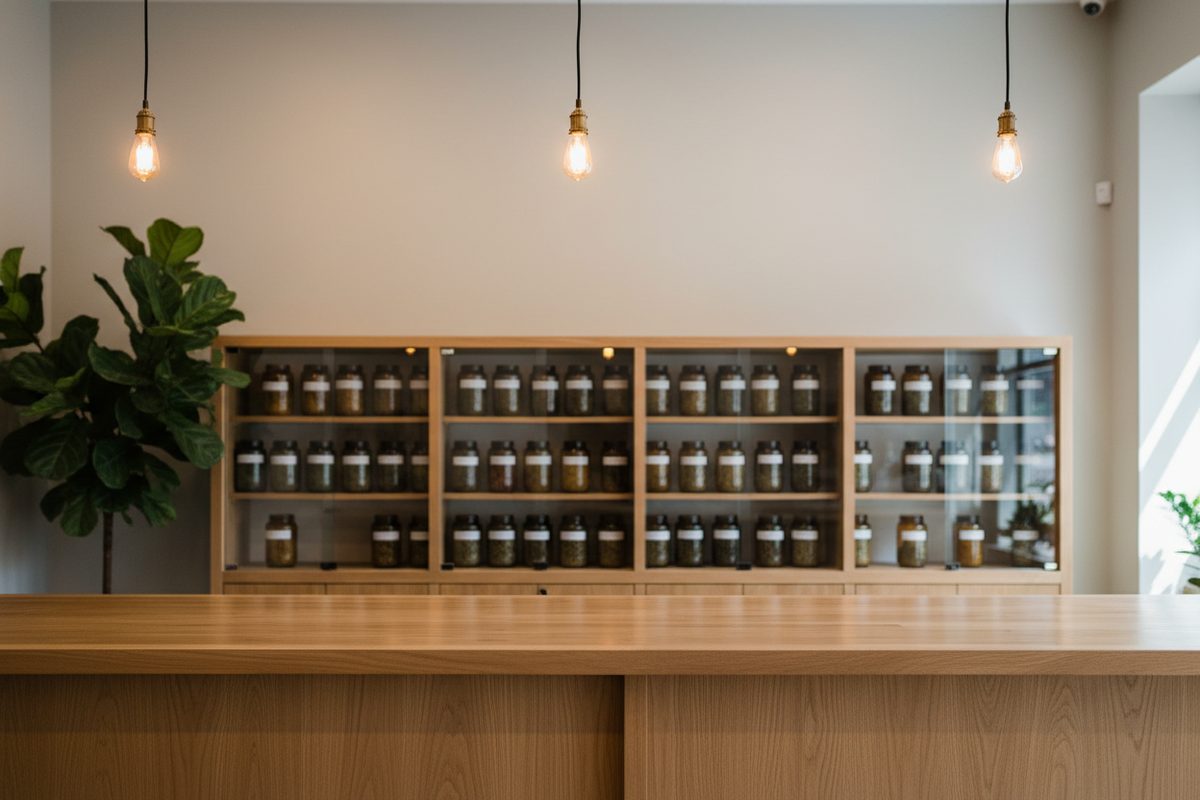
If you are walking into a dispensary for the first time and feeling a little anxious, you are in good company. Many first-time visitors — especially those coming from a medical background rather than a recreational one — feel uncertain about the experience. What will it look like? Will people judge me? Will I know what to ask for?
Here is the truth: licensed dispensaries are professional retail environments staffed by trained personnel whose job is to help you. They see first-time customers every single day, and most dispensary staff genuinely enjoy helping newcomers find the right products. Think of it more like visiting a specialty pharmacy or a knowledgeable supplement shop than anything else.
What to Bring
Before you head out the door, make sure you have the following:
- A valid government-issued photo ID. This is required at every dispensary, every visit, no exceptions. You must prove you are 21 or older (or 18+ with a medical card in states that allow it). A driver's license, state ID, or passport will work.
- Your medical cannabis card (if you have one). Even in recreational states, presenting your medical card may give you access to medical-only products, higher purchase limits, and tax exemptions.
- Cash. While an increasing number of dispensaries accept debit cards, many still operate primarily on a cash basis due to federal banking restrictions on the cannabis industry. Most dispensaries have ATMs on-site, but they typically charge fees. Bringing cash ensures a smooth transaction.
- A budget in mind. Dispensary menus can be overwhelming, and it is easy to spend more than you intended. Decide what you are willing to spend before you walk in.
- Notes about your goals. If you are using cannabis for a specific condition, write down what you are hoping to address (pain, sleep, anxiety, etc.), any medications you currently take, and any previous cannabis experience. This helps the budtender make better recommendations.
The Visit, Step by Step
Arrival and Check-In
Most dispensaries have a lobby or reception area where you check in before entering the sales floor. A staff member will examine your ID (and medical card, if applicable), verify your age, and may enter your information into their system. Some dispensaries require first-time visitors to fill out a brief intake form. This is standard procedure — similar to checking in at a doctor's office.
In busy dispensaries, you may need to wait in the lobby before being called to the sales floor. Wait times vary by location and time of day. Weekday mornings and early afternoons tend to be less crowded.
The Sales Floor
Once you are called in, you will either browse the sales floor independently or be paired with a budtender who will walk you through the options. The setup varies by state and dispensary:
- Counter-service model: You approach a counter and work one-on-one with a budtender who pulls products for you to examine. This is common in medical-only dispensaries and provides a more personalized experience.
- Retail-floor model: Products are displayed on shelves and in cases, similar to a retail store. You can browse at your own pace, and budtenders are available on the floor to answer questions. This is more common in recreational dispensaries.
- Pre-order model: Some dispensaries allow you to place your order online and pick it up in-store. This can save time but means you miss the opportunity to ask questions and examine products in person.
Working with Your Budtender
Budtenders are the trained staff members who help you select products. A good budtender is part educator, part pharmacist, part guide. They can explain different product types, recommend starting doses, describe the expected effects of different strains and formulations, and help you match products to your goals.
Don't be afraid to tell them you are new. This is one of the most helpful things you can say. It signals to the budtender that they should slow down, avoid jargon, and focus on beginner-friendly products and low doses.
Five Questions to Ask Your Budtender
You do not need to memorize a script, but having a few questions ready will make your visit more productive. Here are five questions recommended for first-time visitors:
1. "I'm completely new to cannabis. What do you recommend for someone with [condition] who has never used it before?"
This tells the budtender three critical things: you are a beginner, you have a specific goal, and you need something gentle. A good budtender will steer you toward low-dose, beginner-friendly products rather than high-potency options.
2. "What are the lowest-dose products you carry?"
Starting low is the single most important principle of medicinal cannabis use. Products with 1 to 2.5 mg of THC per serving are ideal for beginners. If a dispensary does not carry products in this range, that is worth knowing before you buy.
3. "Can you show me products with terpene information on the label?"
Terpenes are aromatic compounds in cannabis that influence the effects of the product. Products that list their terpene profiles indicate a higher level of quality and transparency. Not all products include this information, but it is increasingly common and it is a good sign when a dispensary stocks products that do. For more on terpenes, see our Cannabinoids & Terpenes guide.
4. "Do you have 1:1 THC:CBD products?"
Products with a 1:1 ratio of THC to CBD are often recommended as a starting point for medicinal users. The CBD helps moderate some of THC's psychoactive effects, potentially reducing the risk of anxiety or paranoia while still providing therapeutic benefit. These products are a good entry point for someone who wants the benefits of THC but is cautious about getting "too high."
5. "What is your return or exchange policy if a product doesn't work for me?"
Policies vary by dispensary and state. Some dispensaries offer exchanges or store credit for products that do not work for you; others have strict no-return policies due to state regulations. Knowing the policy before you buy helps set expectations and may influence how much you purchase on your first visit. When in doubt, buy small quantities until you find what works.
What to Look for in Products
Not all cannabis products are created equal. Here is what to examine before you buy:
Clear Labeling
Every product should clearly state its THC and CBD content in milligrams — both per serving and per package. Products that list only percentages without milligram amounts make accurate dosing difficult, especially for edibles and tinctures. If the label is unclear about how much THC or CBD is in each dose, ask the budtender to help you calculate it or consider a different product.
Third-Party Lab Testing
Reputable products come with a Certificate of Analysis (COA) — a lab report from an independent, third-party testing laboratory. This report confirms:
- The actual cannabinoid content matches what is on the label
- The product has been tested for contaminants including pesticides, heavy metals, mold, and residual solvents
- The product is safe for consumption
In regulated markets, testing is typically required by state law. However, the rigor of testing standards varies by state. You can usually access a product's COA by scanning a QR code on the packaging or requesting it from the budtender. For a deeper dive on reading lab results, see our Reading Lab Results guide.
Terpene Profile Information
Products that include terpene profiles on their packaging demonstrate a commitment to transparency and quality. Terpene information helps you understand and predict the effects of a product beyond just its THC and CBD content. While not all products include this information, it is becoming more common as consumers demand more detailed product data.
Licensed, Regulated Producers
Purchase only products from licensed, state-regulated producers. These products have gone through mandatory testing and quality control processes. Avoid unlicensed or "gray market" products, which may not have been tested and could contain harmful contaminants.
Choosing Your First Product
For a first-time user, the goal is to start with something gentle, predictable, and easy to dose. Here are some general guidelines:
- Edibles (gummies, mints, capsules): Easy to dose precisely. Look for products with 1 to 2.5 mg THC per piece. The downside is slower onset (1 to 2 hours) and longer duration (4 to 8 hours). Start with one piece and wait a full 2 hours before considering more.
- Tinctures (sublingual oils): Offer precise dosing with a dropper. Onset is faster than edibles (15 to 45 minutes when held under the tongue). Start with the smallest dose marked on the dropper.
- Vaporizers: Fastest onset (minutes) and shortest duration (1 to 3 hours), which makes them easier to titrate but requires more self-discipline to avoid taking too much. Take one small puff and wait 10 to 15 minutes.
- Topicals (creams, balms): Applied to the skin for localized relief. Generally do not produce psychoactive effects. A good option if you are specifically interested in localized pain or inflammation relief and want to avoid any intoxication.
For a detailed comparison of consumption methods, see our Methods of Consumption guide. For dosing advice, see Dosing Fundamentals.
After Your Visit
- Save your receipts and packaging. The packaging contains important information about the product's cannabinoid content, batch number, and testing results that you will want to reference later.
- Start your cannabis journal. Record the product name, type, dose, method, and effects of every session. This is your most valuable tool for finding what works. See our Journaling & Tracking guide for details.
- Store products safely. Keep all cannabis products in a secure, child-proof location, away from pets, and at the temperature recommended on the packaging. Edibles in particular should be stored where they cannot be mistaken for regular food.
- Plan your first session carefully. Choose a day when you have no responsibilities, be in a comfortable environment, have water and snacks available, and do not plan to drive anywhere. Have CBD on hand as a potential counterbalance if you feel uncomfortably high.
Related Pages on TryCannabis.org
- Dosing Fundamentals — the golden rule of "start low, go slow" and recommended starting doses
- Methods of Consumption — a detailed comparison of every consumption method
- Cannabinoids & Terpenes — what the compounds in cannabis actually do
- Reading Lab Results — how to interpret a Certificate of Analysis
- Journaling & Tracking — how to record your experiences for optimal results
- Drug Interactions — make sure you have discussed cannabis with your doctor before your first use